Vapor Trails Where the Future Unfolds, One Chapter at a Time

Vapor Trails

Where the Future Unfolds, One Chapter at a Time

Latest Articles

Atomic Dreams Revisited: How Mid-Century Futures Are Reshaping the Way We See Tomorrow
Trends & Discovery

Atomic Dreams Revisited: How Mid-Century Futures Are Reshaping the Way We See Tomorrow

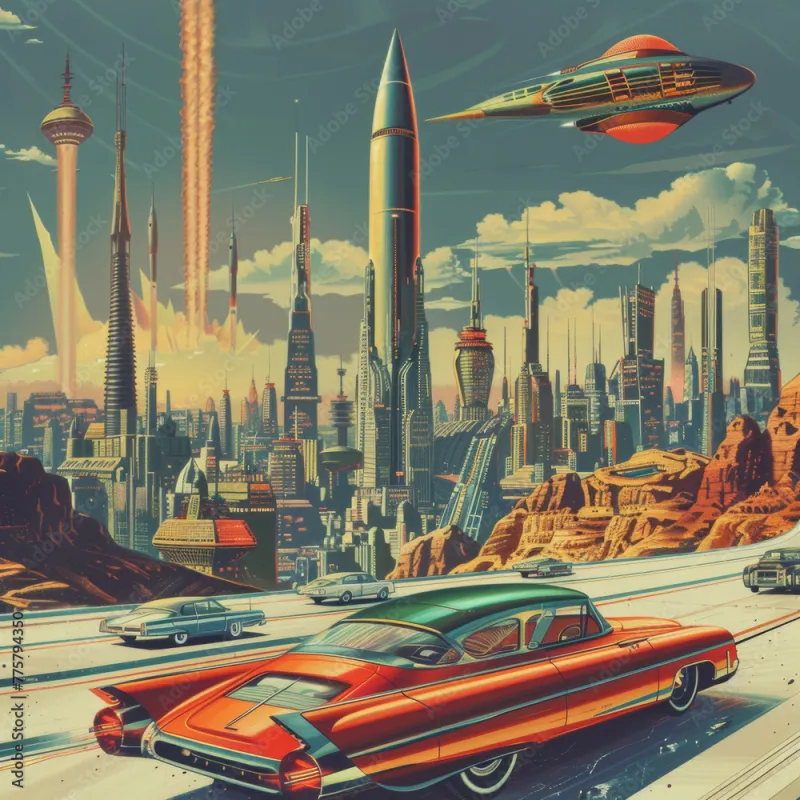
The chrome rockets and gleaming utopias of 1950s science fiction are everywhere again — in prestige television, fashion runways, and the design language of consumer technology. This cultural analysis explores what the resurgence of retrofuturism reveals about contemporary American anxieties, and whether we are seeking refuge in obsolete visions or finally catching up to them.

What the Machine Cannot Dream: Speculative Fiction and the Limits of Algorithmic Imagination
Craft & Analysis

What the Machine Cannot Dream: Speculative Fiction and the Limits of Algorithmic Imagination

As AI writing tools become increasingly sophisticated, a critical question emerges for the speculative fiction community: can an algorithm truly imagine the future? This piece examines the irreplaceable human architecture behind great science fiction and argues that the genre's power lies precisely where machines remain blind.

The Long Game: Why Serialized Science Fiction Is Reclaiming Its Original Power
Trends & Discovery

The Long Game: Why Serialized Science Fiction Is Reclaiming Its Original Power

Serialized storytelling is not a digital-age invention—it is, in fact, how science fiction first found its mass audience, through pulp magazines and penny publications that delivered futures one installment at a time. What is new is the remarkable diversity of platforms now reviving this format, from Substack newsletters to audio fiction podcasts, and the ways in which contemporary authors are using the chapter-by-chapter structure to build the kind of immersive, architecturally complex worlds t

Erased by Design: How Speculative Fiction Confronts the Hidden Cost of Forgetting
Craft & Analysis

Erased by Design: How Speculative Fiction Confronts the Hidden Cost of Forgetting

Science fiction has long treated memory not merely as a narrative device but as contested territory—a battleground where identity, autonomy, and technological convenience collide. From Philip K. Dick's fractured protagonists to contemporary novels grappling with algorithmic self-erasure, the genre's preoccupation with forgetting speaks directly to our present anxieties about data ownership and digital consciousness. What these stories ultimately ask is not whether we can delete the past, but whe

Breathing Ruins: How Speculative Fiction Writers Turn Dying Worlds Into Emotional Architecture
Craft & Analysis

Breathing Ruins: How Speculative Fiction Writers Turn Dying Worlds Into Emotional Architecture

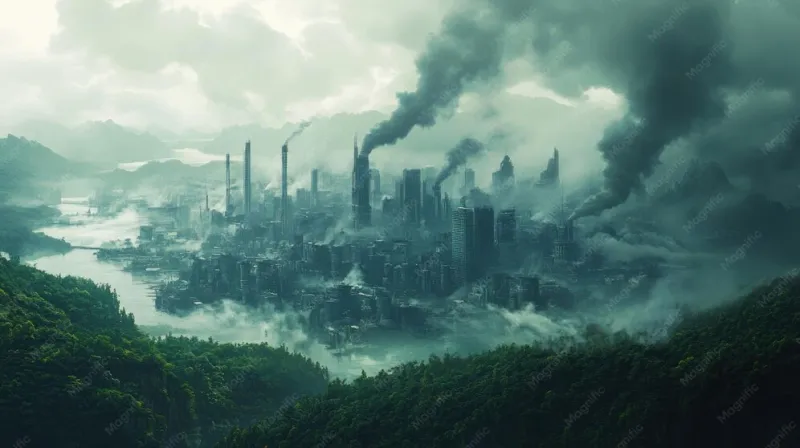
The most haunting science fiction doesn't merely describe a broken world—it makes you feel the weight of its atmosphere pressing against your chest. Across decades of speculative literature, authors have discovered that degraded environments function as far more than backdrop; they operate as psychological instruments. This piece examines the craft behind that singular, suffocating beauty.

The Second Signal: Why Prestige TV Science Fiction Is Finding Its Truest Form on the Printed Page
Trends & Discovery

The Second Signal: Why Prestige TV Science Fiction Is Finding Its Truest Form on the Printed Page

Something significant is happening at the intersection of streaming culture and literary publishing. The science fiction television series that defined the 2020s are no longer content to remain on screen—they are migrating, expanding, and in some cases finding their most complete expression in serialized fiction and novels. For American readers who want to stay ahead of that curve, the moment to pay attention is now.